

Vietnam’s UNESCO World Heritage Sites
Vietnam’s rich history and extraordinary landscapes are reflected in its collection of UNESCO World Heritage Sites, which range from ancient imperial capitals and sacred temples to spectacular bays and dramatic national parks. These remarkable places tell the story of a country shaped by centuries of cultural exchange, royal dynasties and breathtaking natural beauty.
Today, Vietnam is home to nine UNESCO World Heritage Sites, including cultural treasures, natural wonders and one mixed site that combines both cultural and natural significance. Together, they offer some of the country’s most rewarding and memorable travel experiences.
Complex of Hue Monuments
The former imperial capital of the Nguyen Dynasty, Hue is one of Vietnam’s most historically significant cities. Set along the tranquil Perfume River, its majestic citadel, royal tombs and ancient temples provide a fascinating glimpse into Vietnam’s imperial past.
Hoi An Ancient Town
Few places in Asia are as enchanting as Hoi An. Once a thriving trading port, the town has preserved its centuries-old merchant houses, temples and narrow streets, creating a timeless atmosphere that comes alive each evening beneath hundreds of colourful lanterns.
My Son Sanctuary
Nestled in a lush valley outside Hoi An, My Son Sanctuary is one of Southeast Asia’s most important archaeological sites. The red-brick temple complex was once the spiritual centre of the ancient Champa Kingdom and remains a remarkable testament to a civilisation that flourished for centuries.
Central Sector of the Imperial Citadel of Thang Long
Located in the heart of Hanoi, the Imperial Citadel of Thang Long has served as Vietnam’s political centre for more than a thousand years. Archaeological discoveries continue to reveal layers of history dating back to the country’s earliest dynasties.
Citadel of the Ho Dynasty
Constructed in the late 14th century, the Citadel of the Ho Dynasty is renowned for its impressive stone architecture and sophisticated design. Surrounded by rice fields and limestone mountains, it remains one of Vietnam’s most remarkable historical monuments.
Trang An Landscape Complex
Often referred to as “Halong Bay on land”, Trang An is a spectacular landscape of limestone peaks, winding waterways and hidden caves. The region also holds immense archaeological significance, with evidence of human activity dating back thousands of years.
Ha Long Bay – Cat Ba Archipelago
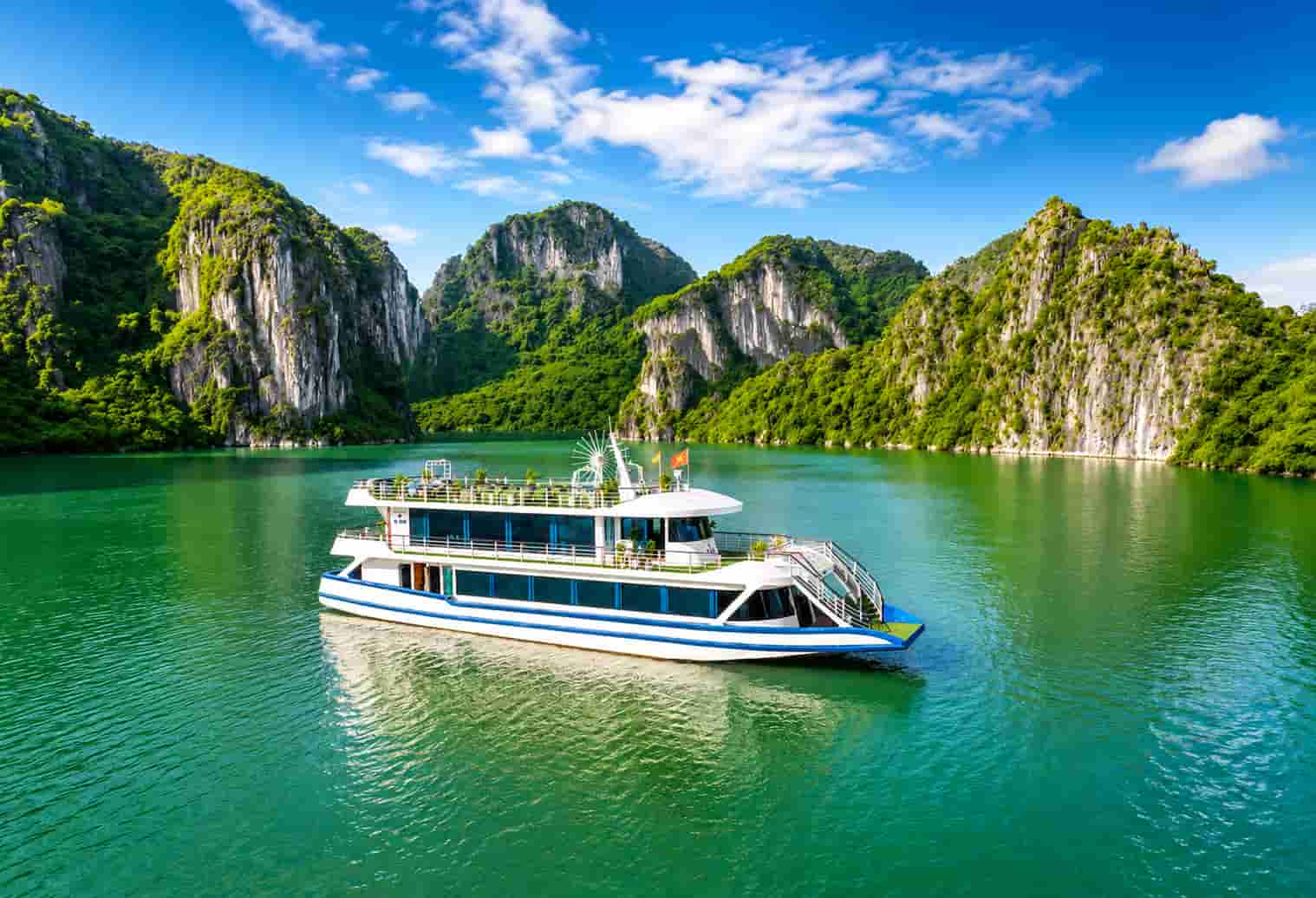
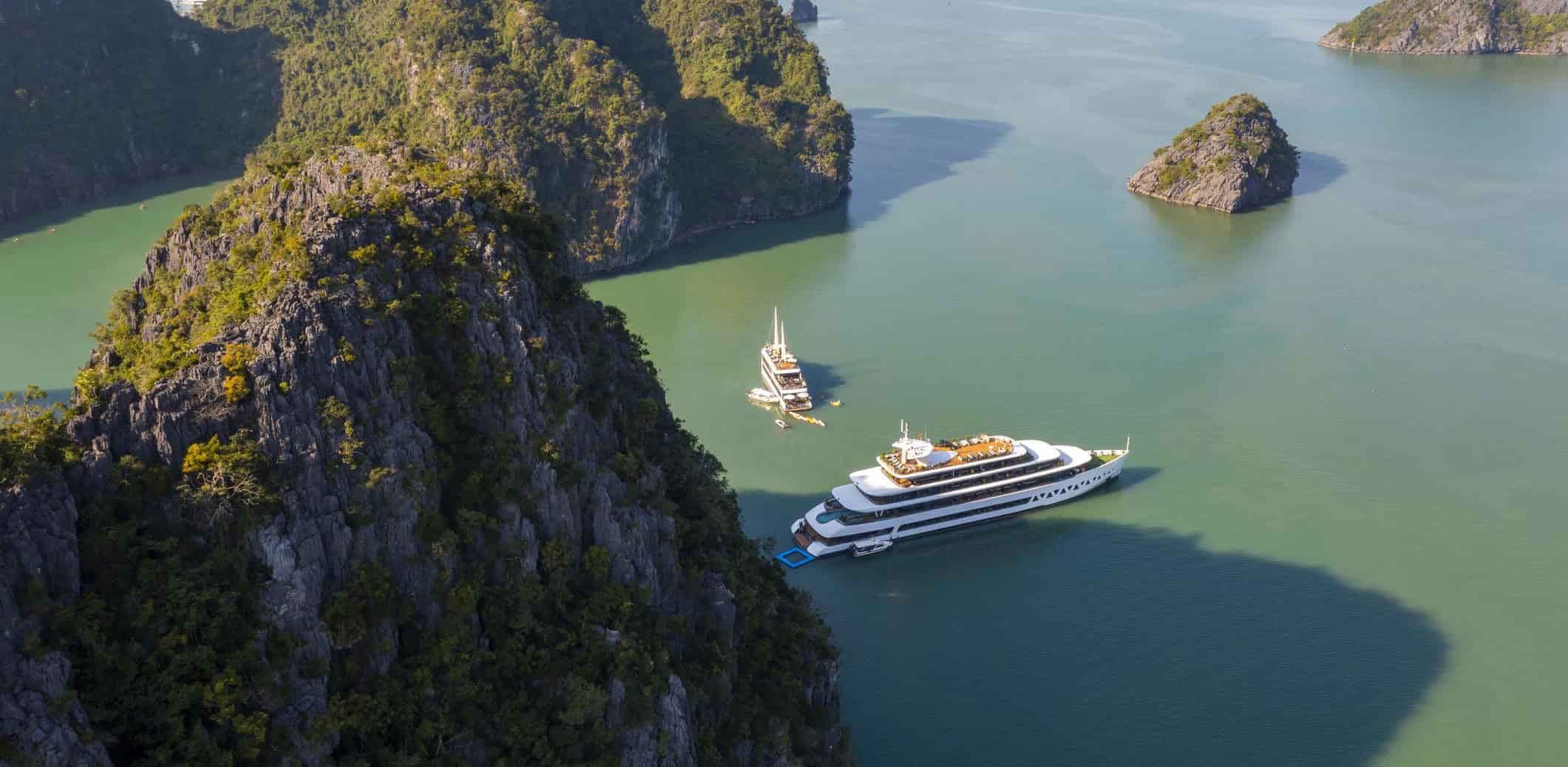
One of the world’s most iconic seascapes, Ha Long Bay and the Cat Ba Archipelago are famed for their emerald waters and thousands of limestone islands rising dramatically from the sea. Whether explored by private cruise, kayak or seaplane, the scenery is simply unforgettable.
Phong Nha – Ke Bang National Park
Home to some of the world’s largest caves and most spectacular karst landscapes, Phong Nha – Ke Bang National Park is one of Southeast Asia’s great natural wonders. Underground rivers, ancient caves and dense jungle make it a paradise for nature lovers and adventure seekers alike.
Yen Tu – Vinh Nghiem – Con Son, Kiep Bac Complex
Vietnam’s newest UNESCO World Heritage Site celebrates the country’s deep spiritual traditions. This sacred landscape is closely linked to the origins of Truc Lam Zen Buddhism, with ancient temples, monasteries and mountain scenery that have inspired pilgrims for centuries.
Discover Vietnam’s World Heritage
From the lantern-lit streets of Hoi An and the imperial grandeur of Hue to the limestone landscapes of Halong Bay and Trang An, Vietnam’s UNESCO World Heritage Sites offer an extraordinary journey through the country’s history, culture and natural beauty.
Inspired to explore Vietnam’s cultural and natural treasures? Discover our tailor-made journeys and start planning your perfect escape at
www.baitulongbay.org/journeys/
Speak to our Vietnam specialists